

Benefits of Natural Soap – Why Choose Natural, Handmade Soap?
Why should you care about the soap you choose?
The word ‘soap’ is used for all kinds of skin cleansers, solids, liquids and even powders, and within each of these categories there are various colors, fragrances, shapes, packaging and claims surrounding them.
Some soaps are deodorizing, others are antimicrobial, anti-aging, moisturizing and more. Soap is something that almost every person uses several times a day, and in many cases is one of the primary means of preventing the transmission of certain bacterial and viral diseases.
But not all soaps are equal in strength or effectiveness, and not all soaps are good for your skin.
There are two basic types of soap:
Handmade, ‘natural’ soaps
Manufactured soaps.
Fabricated soaps are often much cheaper than handmade soaps, but there may be good reason why this is the case.
Modern science has proven through common sense what has already been assumed: the toxins in our environment are largely absorbed by our skin.
As the largest organ in the human body and most in contact with the outside world, the things we come into contact with on our skin should be of greatest concern to us.
Soap should be a primary concern when we consider this fact, as it is consciously rubbed on our skin, even all over our skin. As we take due care of the water we drink and the food we eat, what we expose our skin to should be our top priority when it comes to physical health.
One way to reduce exposure to potentially harmful toxins is to use an organic, natural soap.
What is natural soap?
Natural soaps start with natural ingredients. Organic soaps use organic natural ingredients. Organic soaps consist of blended fixed oils, fats and aromatherapy oils obtained from various plants. This substance is rich in vitamins, nutrients and antioxidants. Human skin, hair and other parts of the body need these substances to grow, live and/or stay healthy. Many natural soaps also have other beneficial ingredients such as clay, salt, essential oils and botanical extracts.
Handmade soaps take longer to produce and often use higher quality ingredients, so they add additional cost, but they tend to be more beneficial on sensitive skin.
It’s important to try various or natural soaps to find the one that best suits your skin type and preferences.
Benefits of Using Natural Soap
Using natural soap has several benefits, including:
1. Real Soap Instead of “Factory Soap”
Many products that are advertised or displayed using terms such as ‘cleanser’, ‘body cream soap’, ‘body shower gel’, ‘liquid soap’, ‘make-up remover’ and even ‘deodorant soap’ are actually detergent-based products, and none of them really soap.
2. Natural Soap Is Highly Moisturizing
One of the benefits of using real soap is that one of the by-products of the manufacturing process is glycerin. Glycerin is an excellent skin moisturizer because it attracts moisture in and around the skin. Conventional soaps contain glycerin and therefore moisturize the skin during bathing, while many fabricated soaps can dry out the skin. Because they are store-bought, fabricated soaps often undergo a specially designed treatment to remove the glycerin.
Instead of leaving glycerin in the soap to benefit your skin, it is extracted and used in other products such as moisturizers and similar skin care products – you will need more if you use their soap because it has had the glycerin removed. Soap lacking glycerin can leave skin dry, ashy, itchy, and your skin can look far from its best.
However, handmade soap, which is traditionally made to preserve its glycerin content, makes your skin look more moist and healthy.
3. Better Materials Used
When a company produces hundreds of thousands or even millions of bars of soap at a time, part of the profit margin comes from mass production and part from using the cheapest products available.
Many people believe that these synthetic products can harm the endocrine, reproductive, respiratory and immune systems – not to mention the potential harm they can do to you by drying out your skin.
Fabricated soaps are known to regularly contain Parabens, Sulfates, and Triclosan, which are thought to trigger allergies, affect hormone levels, and possibly increase the risk of certain cancers.
However, natural soaps usually use natural ingredients such as olive and coconut oils, shea butter, cocoa butter, castor oil.
4. Animal-friendly and produced without testing on animals
Another great benefit of natural, organic soaps is that you can make sure they don’t harm any animals during the testing or production stages. The materials are always plant-based only, natural and do not require large-scale factories and other facilities that cause extensive environmental damage.
By comparison, organic producers tend to be smaller plants and rely on botanical herbs and extracts to get their final product. Coconut and palm oils form the basis of the ingredients, and essential oils from different plants, flowers, spices and fruits are added to it. More importantly, animal testing is not required for these products as they do not contain pesticides and synthetically derived chemicals.
5. Wider Choice
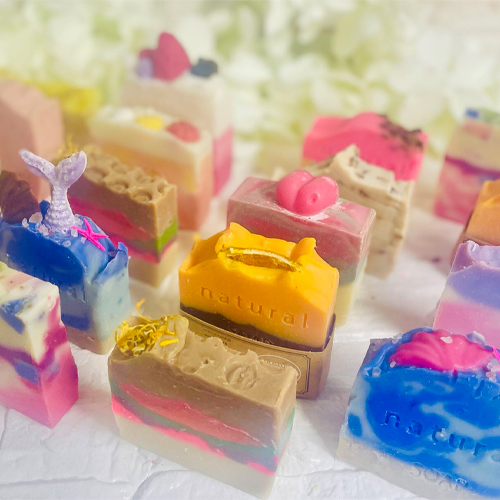
As mentioned above, organic soaps are normally made in small batches by a local producer. Small lots mean not only easier control, but also a wider variety of products. Each batch can be easily changed to a new fragrance or style without having to refit major factory equipment. Therefore, these soaps can also be easily customized. Color, shape, size, grainy or smooth texture, fragrance, batch size and other characteristics are often changed to give the consumer maximum choice. You can even buy Natural soaps in coffee, cinnamon, mint or fruit scents!
6. Unique, Handmade Item
Mass-produced Fabricated soaps are made for production efficiency, which means many, many units of exactly the same size and composition. The focus is on profit, often at the expense of the health of consumers who pay for them. Natural Soaps differ slightly in that they differ slightly from soap bar to soap bar, just as natural ingredients vary slightly depending on the weather and other conditions of a particular year. Where they haven’t changed, however, is the lack of harmful ingredients in each bar and the abundance of healthy ones.
7. Better for the Environment
Organic soaps do not produce harmful environmental poisons or toxins. Soap degrades more easily after use and does not harm the water cycle or the wildlife that shares the water in our rivers, lakes and oceans. All things being equal this would be a strong argument for using Natural soaps. Add to this the excellent quality of the soaps, their effectiveness and the pleasure you get from a more unique product, and natural soaps are a clear winner.
8. Rich in Antioxidants
Since the ingredients used in natural soaps contain natural antioxidants and the process does not remove these substances for other purposes, natural soaps actually reduce inflammation, keep the skin hydrated and thus help the user. You will have a young-looking, healthy skin. The softer pH levels of organic soaps (usually between 8 and 10) will help take care of your skin in the long run, while keeping you looking and feeling clean and fresh at the same time.
9. Plenty of Glycerin for Natural Skin Benefits
Glycerin, also called glycerol, naturally attracts alcohol and water in addition to cleansing the skin. It has long been one of the best moisturizers for human skin, as it absorbs alcohol and water.
Skin that is regularly exposed to natural glycerin has improved texture and protection against external irritants. It acts as a boost for sensitive skin rather than being something else that causes irritation.
However, when companies mass-produce soaps, glycerine is extracted from soap bars for two reasons.
First, it extends the shelf life of soap so it can sit for years in a warehouse or shelf before use. Second, the extracted glycerin is used to produce moisturizing products.
Fabricated soap bars dry out the skin and you have to buy something to fix it again?
Our philosophy is to preserve the glycerine in the soap, not harming the skin in the first place. The soap may cost a little more, but you still pay less than a Fabricated bar of soap plus a moisturizer when you collect it!
10. They Don’t Use Preservatives
Natural products have a shorter shelf life, but for good reason. Preservatives used in non-natural products tend to be toxic to humans or the environment. Do you want the product to stay on the shelf for a long time without being used or do you want it to be healthier for the user? The answer is obvious.
11. Natural Antibacterial Properties
In most antibacterial soaps you will find triclosan, parabens, sulfates and other toxic chemicals that are thought to increase the risk of certain cancers, which can alter hormonal balance and affect your reproductive system.
Natural soaps, on the other hand, do not contain these chemicals and instead use antibacterial agents such as essential oils. Not only do they help fight harmful bacteria, they also have wonderful scents like lavender, tea tree, eucalyptus, and mint.
12. Natural Fragrances for True Aromatherapy
Fragrances used for natural soap can help soothe your mind and body through aromatherapy. Aromatherapy is thought to reduce stress and improve overall mood and appearance.
The chemical composition of essential oils cannot be recreated in a laboratory.
When natural products are replaced with synthetic versions, their therapeutic aspect is lost. Natural essential oils cause the brain to release neurochemicals that can heal your mind, body, and spirit.